Yamywyh

The China Display Cover Glass market is definitely heading for some exciting growth and innovation by 2025. You've probably noticed how everyone’s craving better display solutions across all sorts of industries these days. According to a recent report from MarketsandMarkets, the global market for display cover glass is expected to hit around $22.7 billion by then, with a big chunk coming from China. This boom is largely driven by tech like OLED and LCD screens becoming more widespread—they need strong, efficient protective glass to boost user experience and extend product life.
As consumer gadgets keep getting fancier, lighter, and more resistant to shattering, the demand for stylish yet durable display cover glass is more important than ever. Plus, there’s a growing push for eco-friendly materials and greener manufacturing methods. Industry experts, including folks from Grand View Research, say that advancements in coatings—like anti-reflective and anti-fingerprint layers—will really help companies grab a bigger slice of the market in this competitive scene. If companies in China keep riding these trends, they’ve got a good shot at thriving amid all the rapid changes—kind of like matching what consumers and manufacturers are both looking for these days.

The display cover glass market in China has shown significant growth, driven by the increasing demand for advanced technology in consumer electronics. According to a recent market research report, the Chinese display cover glass market was valued at approximately USD 5.1 billion in 2023 and is projected to reach USD 8.7 billion by 2025, reflecting a compound annual growth rate (CAGR) of around 15.4%. This surge is attributed to the rising adoption of smart devices such as smartphones, tablets, and smart wearables, all of which require high-quality glass materials for enhanced durability and improved aesthetics.
Innovation plays a key role in shaping the display cover glass landscape in China. Manufacturers are focusing on developing high-performance materials, such as gorilla glass and sapphire glass, which offer better scratch resistance and clarity. Additionally, the trend towards larger and more curved displays is pushing the boundaries of glass fabrication technology. The industry is also witnessing an uptick in the integration of anti-reflective and anti-fingerprint coatings, enhancing the user experience and health safety standards. According to data from industry analysts, around 60% of new smartphone models launched in 2025 are expected to adopt advanced cover glass solutions, further highlighting the necessity for innovation in this competitive market.
In 2025, the display cover glass industry in China is set to undergo significant transformations driven by several key innovations.
One of the most notable advancements is the integration of ultra-thin glass technologies, enabling manufacturers to produce lighter, more durable displays without compromising visual clarity.
This transition towards thinner materials not only enhances the aesthetics of devices but also improves user experience by facilitating sleeker designs in smartphones and other consumer electronics.
Another critical innovation shaping the industry is the development of anti-reflective and anti-scratch coatings.
These enhancements cater to the growing consumer demand for products that are both functional and resilient.
The adoption of advanced nanotechnology in surface treatments is revolutionizing how display cover glass interacts with light and wear, extending the lifespan of devices while providing superior visibility in various lighting conditions.
This trend is particularly significant in a market that prioritizes high-performance devices capable of enduring the rigors of daily use.
Furthermore, sustainable manufacturing practices are becoming increasingly paramount as the industry responds to environmental concerns.
Eco-friendly materials and recycling initiatives are gaining traction, driven by both regulatory pressures and consumer preferences for sustainable products.
The focus on reducing carbon footprints and utilizing renewable resources positions the display cover glass sector to not only lead in innovation but also align with global sustainability goals, making it a critical player in the tech ecosystem.
In recent years, consumer preferences and market demand for display cover glass in China have undergone significant transformation, driven by advancements in technology and evolving lifestyle choices. According to a report by ResearchAndMarkets, the demand for high-quality cover glass has increased by 15% annually, primarily fueled by the rising popularity of smart devices and innovations in consumer electronics. This trend reflects a broader shift towards durability and aesthetic appeal, with consumers increasingly favoring products that offer not only functional benefits but also enhance visual experiences.
Moreover, recent surveys indicate that consumers are willing to invest in higher-priced models featuring advanced materials. A study by Statista highlights that 67% of respondents prioritize scratch resistance and clarity when purchasing electronic devices, making these attributes key drivers in the market. As preferences shift towards premium products, manufacturers are adapting their offerings to meet the demand for enhanced performance. This trend suggests that the display cover glass market in China will continue to evolve, with a strong emphasis on quality and innovation that aligns with consumer expectations and technological advancements.
As we look towards 2025, the landscape of display cover glass production in China is set to be significantly shaped by ongoing technological advancements. The integration of innovative materials such as aluminosilicate glass and chemically strengthened products is enhancing the durability and performance of display covers. According to industry reports, the market for display cover glass is projected to reach USD 12.5 billion by 2025, fueled by the increasing demand from sectors like consumer electronics, automotive displays, and smart devices. This growth is closely tied to enhanced manufacturing techniques that allow for finer textures and improved optical clarity, catering to consumers' expectations for superior screen experiences.
Moreover, automation and AI technologies are revolutionizing production processes, enabling manufacturers to streamline operations and reduce costs. Advanced manufacturing systems have led to a decrease in defects and increased throughput, which is critical in meeting the rising demand. Reports indicate that projects involving Industry 4.0 applications in the glass production sector could result in up to a 30% increase in efficiency. Additionally, these advancements not only benefit production metrics but also support sustainable practices by minimizing waste and energy consumption, aligning with global sustainability goals. As China continues to innovate in this domain, understanding these trends and their implications on production will be crucial for stakeholders in the display cover glass market.
| Trend | Impact on Production | Technological Advancements | Market Growth Rate (%) |
|---|---|---|---|
| Increased Use of Ultra-Thin Glass | Higher efficiency in production lines | Advancements in glass layering technologies | 15% |
| Sustainable Manufacturing Practices | Reduction in waste and energy consumption | Integration of recycling technology | 10% |
| Increasing Demand for Anti-Reflective Coatings | Enhancement of product features | Development of new chemical compositions | 12% |
| Expansion of Flexible Display Technologies | Facilitation of new design possibilities | Innovations in material science | 18% |
| Smart Glass Incorporation | Enhanced functionalities in devices | Progress in smart coating technologies | 20% |
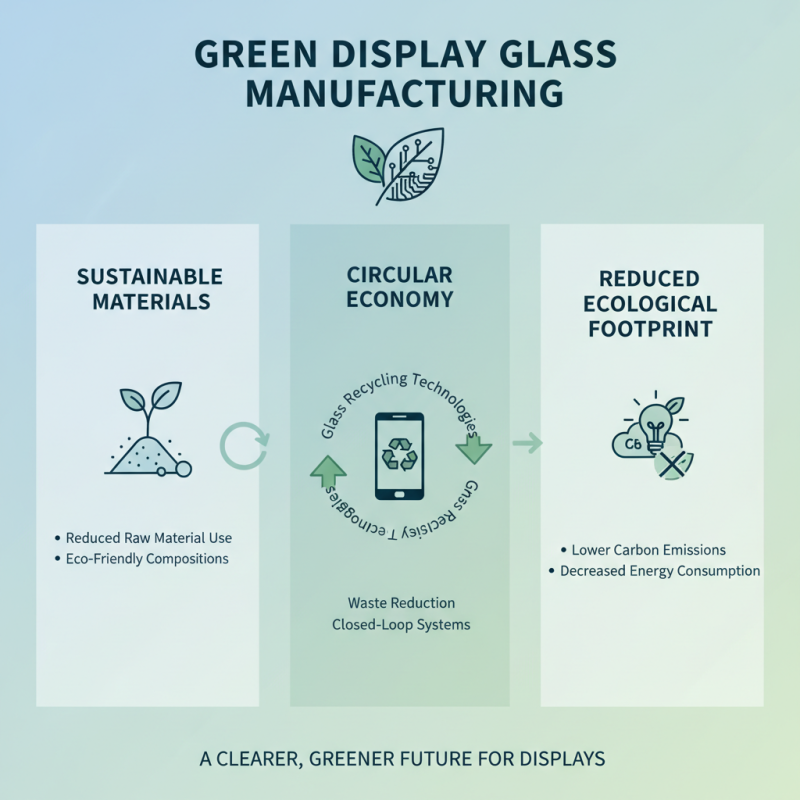
The manufacturing of display cover glass is increasingly influenced by environmental considerations, as industries strive to reduce their ecological footprint. One significant trend is the shift toward sustainable materials and processes. Manufacturers are investing in glass recycling technologies that not only minimize waste but also reduce the need for raw material extraction. This shift plays a crucial role in promoting circular economy practices within the display glass sector, ultimately contributing to reduced carbon emissions and energy consumption.
In addition to material choices, energy-efficient manufacturing processes are gaining traction. Many facilities are now utilizing renewable energy sources to power their operations, which significantly lowers their environmental impact. Moreover, advancements in technology have enabled the production of thinner, lighter display cover glass that maintains durability while using fewer resources. By prioritizing eco-friendly practices, the display cover glass industry is not only complying with regulatory requirements but also responding to the growing consumer demand for sustainable products.
In the rapidly evolving landscape of display cover glass in China, a competitive marketplace has emerged. Key players are focusing on innovation to meet rising consumer demands, address sustainability concerns, and enhance product performance. Companies are investing in advanced technologies such as anti-reflective coatings, strengthened materials, and innovative production processes. This strategic emphasis on R&D is crucial for maintaining a competitive edge against both domestic and international rivals.
Tips: For businesses looking to enter this dynamic market, understanding consumer preferences and technological trends is essential. Conduct market research to identify gaps in the current offerings and consider partnerships with tech firms to leverage new advancements.
As competition intensifies, differentiation becomes key. Many players are not just refining their product lines but also enhancing customer experience through tailored solutions and superior service. Engaging directly with consumers to gather feedback and adapt offerings accordingly can provide invaluable insights that fuel growth.
Tips: Networking within industry forums and trade shows can uncover collaborative opportunities, allowing companies to stay ahead by sharing knowledge and exploring new technologies together.
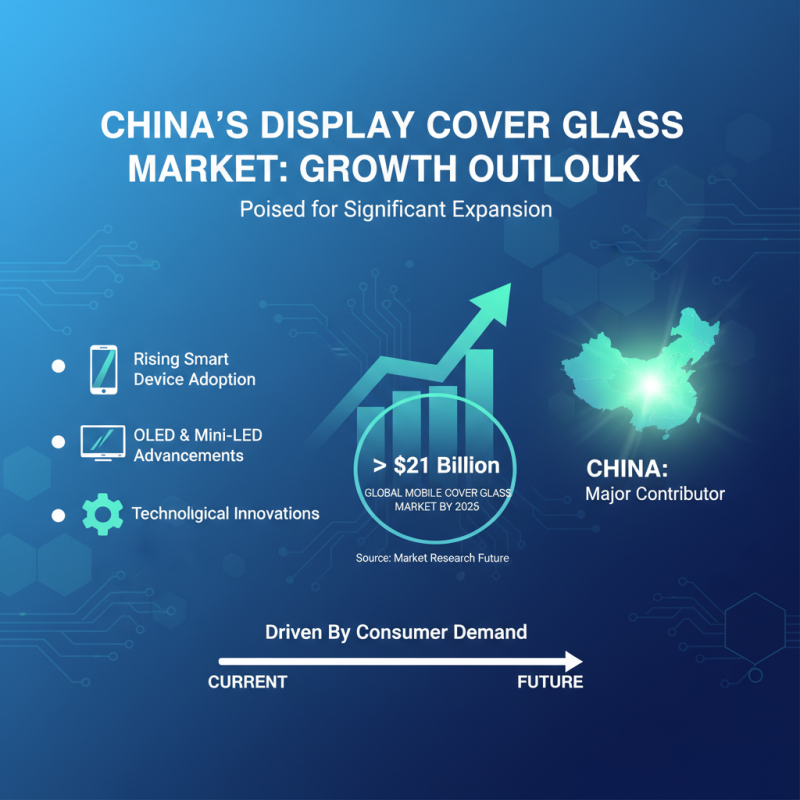
The display cover glass market in China is poised for significant growth in the coming years, driven by technological innovations and increasing consumer demand. According to a report by Market Research Future, the global mobile cover glass market is expected to surpass USD 21 billion by 2025, with China contributing substantially to this growth. The rising adoption of smart devices and advancements in display technologies, such as OLED and Mini-LED, are key factors propelling the industry forward.
As manufacturers seek competitive advantages, incorporating features like enhanced durability and improved optical clarity will be critical. Recent studies indicate that consumers are now prioritizing scratch-resistant and shatterproof materials, leading to innovations in glass formulations. For instance, the trend towards using gorilla glass in mobile devices has surged, reflecting the shift towards higher quality consumer expectations.
Tips: When considering investment in display cover glass technologies, focusing on sustainable materials and production methods can offer a significant edge. Additionally, maintaining a keen awareness of customer preferences and emerging technologies will help stakeholders to align their products with market demands. Embracing these insights can lead to greater market share and improved profitability in a rapidly evolving landscape.
: There has been a significant increase in consumer demand for high-quality display cover glass, driven by advancements in technology and a growing preference for durability and aesthetic appeal. Consumers are now willing to invest in more expensive models that offer functional benefits and enhance visual experiences.
The market for display cover glass in China is projected to reach USD 12.5 billion by 2025, driven by increasing demand from sectors such as consumer electronics, automotive displays, and smart devices.
A recent study indicates that 67% of consumers prioritize scratch resistance and clarity when selecting electronic devices, highlighting these qualities as major drivers in the market.
Technological advancements are enhancing the durability and performance of display cover glass through the integration of materials like aluminosilicate glass and chemically strengthened products, along with improved manufacturing techniques for finer textures and better optical clarity.
Automation and AI technologies are revolutionizing production processes, allowing manufacturers to streamline operations, reduce costs, and increase efficiency, potentially leading to a 30% improvement in production metrics.
There is a significant shift towards sustainable materials and processes, including glass recycling technologies and energy-efficient manufacturing, which aim to reduce waste, carbon emissions, and overall environmental impact.
Manufacturers are prioritizing eco-friendly practices by utilizing renewable energy sources, producing thinner and lighter display cover glass, and investing in sustainable materials to meet both regulatory requirements and consumer expectations.
Projects involving Industry 4.0 applications in glass production are expected to result in increased efficiency, reduced defects, and higher throughput, all of which are critical in meeting the rising demand for display cover glass.
The adoption of circular economy practices, such as utilizing recycled materials and minimizing waste, is essential for promoting sustainability and reducing the ecological footprint of the display cover glass industry.
Innovations in materials that enhance durability and performance are driving consumer preferences towards premium display cover glass, as buyers seek products that provide superior performance and longevity.
The "2025 Top Trends in China Display Cover Glass: Innovation and Market Insights" article provides a comprehensive overview of the evolving landscape of the China Display Cover Glass market. It highlights key innovations that are reshaping the industry, driven by advancements in technology and changing consumer preferences. Increased demand for high-quality, durable display solutions is influencing production methods and material choices.
Additionally, environmental considerations are becoming paramount, prompting manufacturers to adopt sustainable practices. The competitive landscape features several key players who are navigating these trends while exploring future growth opportunities in the market. Overall, the article emphasizes that the China Display Cover Glass sector is poised for significant advancements and expansion in the coming years.