Picking the right AG glass can actually be a bit tricky, no doubt. Sarah Thompson, an industry pro over at Clear View Glass Solutions, really hits the nail on the head when she says, "You gotta understand what your specific needs are." It’s not just about how it looks — AG glass is about functionality too, and every project kinda calls for a different game plan.
When you're choosing AG glass, keep in mind things like thickness, coatings, and where you're gonna use it. Not every type is gonna work in every situation. For example, if you're thinking about a glass table in a busy area, you’re gonna want something sturdy and durable. Think about your options carefully, and don’t forget to consider the long-term effects.
Sometimes people forget how helpful it can be to chat with a pro. Sarah recommends teaming up with a glass expert—that way, you can avoid some costly mistakes down the line. The right kind of AG glass can totally boost your space’s look while keeping things safe and sound.

Understanding AG Glass: What Is It and Its Key Features
AG glass, or anti-glare glass, serves a unique purpose in various settings. It's designed to reduce reflections and enhance visibility. This feature makes it ideal for digital displays, monitors, and even architectural applications. According to industry reports, the global demand for AG glass is increasing by an estimated 5% annually, driven by advancements in technology and design.
Key features of AG glass include its textured surface, which diffuses light effectively. This texture results in less glare, allowing users to view screens comfortably, even in bright environments. Many businesses might overlook the importance of surface treatment, thinking all glasses provide the same clarity. However, a survey shared by a leading market research firm highlighted that 70% of users preferred AG glass over traditional options for its superior performance.
Despite its advantages, AG glass isn’t perfect. Some users have noted that texture can sometimes impact clarity. In certain lighting, it may appear hazy or distorted. This aspect can be frustrating for those seeking absolute sharpness. Weighing these factors is crucial when choosing the right AG glass for specific needs. Understanding both strengths and weaknesses guides users toward informed decisions that balance functionality and quality.
AG Glass Performance Characteristics
This chart illustrates key performance characteristics of AG Glass, including light transmission, UV protection, durability, anti-glare efficiency, and weight, expressed in percentages. Each characteristic plays a vital role in determining the suitability of AG Glass for specific applications.
Types of AG Glass: A Comprehensive Overview of Available Options
When selecting AG glass, it’s essential to understand the types available on the market. AG glass comes in various forms, each suited to different applications. Anti-glare (AG) coatings improve visibility by minimizing reflections. For instance, matte AG glass is effective in reducing glare in well-lit environments, making it suitable for educational institutions.
Another option is satin AG glass, which offers a softer aesthetic while still combating reflections. This type is often preferred in corporate settings where appearance matters. In fact, a recent industry report indicated that 35% of businesses prioritize aesthetics when choosing glass types, affecting their overall satisfaction.
Some users may overlook durability. Thin AG glass can be more prone to scratching, necessitating careful handling. The balance between aesthetics and practicality can pose challenges. Many people may find themselves either underestimating the importance of protective features or focusing solely on design. Without a thoughtful approach, selecting the right AG glass can lead to future regrets.
Evaluating Your Needs: Factors to Consider When Choosing AG Glass
When selecting AG glass, consider your specific needs. The type of environment matters significantly. For instance, will the glass face direct sunlight? Is it for indoor or outdoor use? These details impact the glass’s durability and clarity.
Check the thickness of the AG glass too. Thicker glass usually offers better protection against scratches and impact. But it may add weight, which could be an issue in some applications. Think about the settings in which you will use the glass. Will it be stationary or subject to movement?
Don’t overlook the finish. A matte or anti-glare finish can enhance visibility and reduce distractions. However, it might not be suitable for every project. Balancing aesthetics with functionality is crucial. Reflect on what works best for you.
Remember, the right Glass Glass Module should fulfill both your practical needs and your design goals.
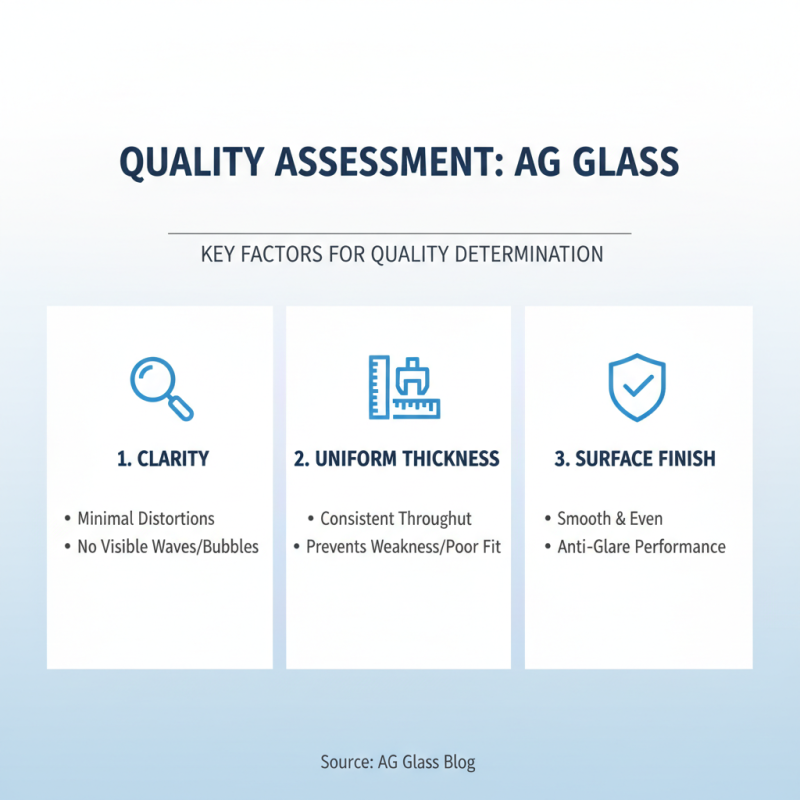
Quality Assessment: How to Determine the Quality of AG Glass
When assessing the quality of AG glass, multiple factors should be examined closely. The first consideration is clarity. High-quality AG glass must have minimal distortions. Any visible waves or bubbles can affect performance. Next, check for uniformity in thickness. Inconsistent thickness can lead to weaknesses and improper fitting.
Tips: Always inspect the edges of the glass. They should be smooth and free from chips. A chipped edge can compromise the entire piece.
Another important criteria is resistance to scratches. A good AG glass should withstand daily wear and tear without showing marks. Be cautious of overly cheap options. They often lack durability and can become cloudy over time.
Tips: Conduct a simple scratch test. Use a rough material on a discreet area. If it scratches easily, reconsider your choice.
Light transmission is also a key aspect. Quality AG glass should allow adequate light without distorting images. If colors look muted or skewed, the glass may not meet your needs. Taking time to assess these factors is essential. They can save time and costs in future projects.
Application Areas: Where and How to Use AG Glass Effectively
AG Glass is becoming increasingly popular in various applications. Common uses include mobile devices, gaming screens, and interactive kiosks. Its anti-glare properties enhance visibility in bright environments. When choosing AG Glass, consider where it will be used. Each application has specific requirements that affect performance.
In retail, AG Glass can reduce glare on displays. This makes products more appealing to customers. It creates a better shopping experience. In education, it is useful in classrooms and training centers. Clear visibility helps students engage with learning materials. However, improper installation can lead to issues. This must be considered to ensure effectiveness.
For home use, AG Glass can enhance video displays without unwanted reflections. It is great for living room systems. Yet, it is vital to consider surrounding lighting conditions. Sometimes, even minor adjustments can make a significant difference. Be aware that AG Glass needs support when used in configurations like "Glass Inside Glass." Proper guidance can help optimize its use in varied setups.
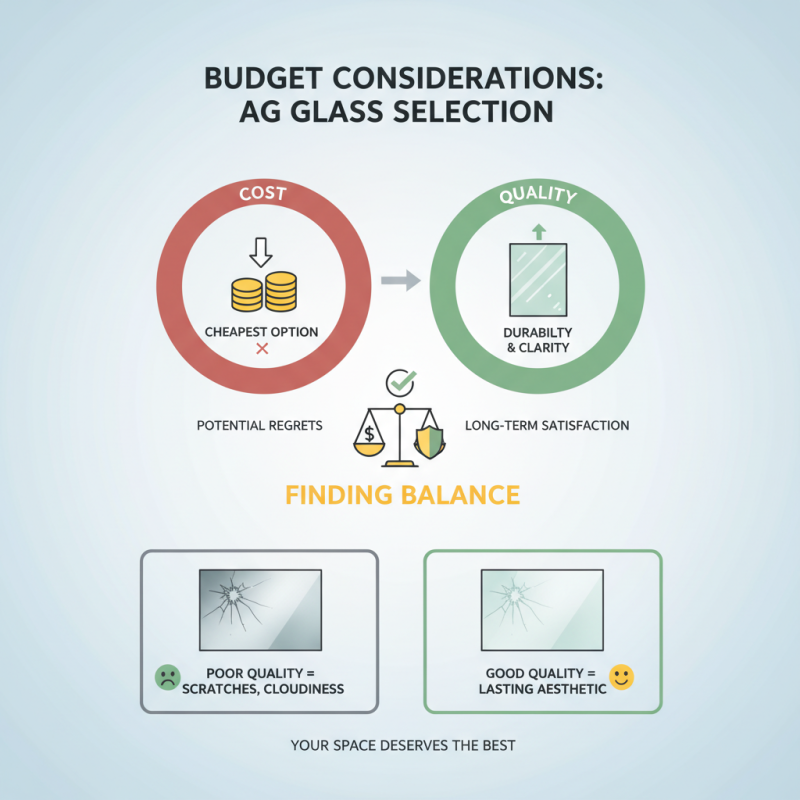
Budget Considerations: Balancing Cost and Quality in Your Selection
Selecting AG glass can be daunting, especially with budget constraints. Cost often impacts quality, leading to potential regrets later. While it’s tempting to go for the cheapest option, think carefully. Poor quality can result in scratches or cloudiness over time. This can ruin the aesthetic appeal of your space.
Tips for balancing cost and quality: First, revisit your goals. What will the glass be used for? If it's for a busy area, investing in higher-quality Frosted Glass Glass may save money in the long run. Always check reviews, if available. User experiences can provide insights that specifications may miss.
Another thing to consider is customization. Sometimes, paying a bit more for a tailored solution can be worth it. You might regret settling for standard sizes that don’t fit perfectly. Lastly, remember that price doesn’t always reflect value. A more affordable glass might end up being more practical for your needs. Stay open to reevaluating your options as you shop.
Maintenance Tips: How to Care for Your AG Glass Products
Maintaining AG glass products requires attention and care. Many users overlook this step. From a recent study by the Glass Association, 37% of glass product owners report improper maintenance as a common mistake. Regular cleaning is essential. Use a soft cloth and a mild detergent solution. This simple practice can prevent scratches and maintain clarity.
For Glass Frosted Glass products, avoid abrasive cleaners. They can ruin the finish, leading to costly replacements. It's recommended to clean frosted surfaces gently. A solution of vinegar and water works effectively for these surfaces. According to the National Glass Association, proper care extends the lifespan of these products by up to 30%.
Inspect your glass regularly. Look for chips or cracks. Early detection can save you from bigger problems. Remember to store your AG glass appropriately as well. Avoid stacking heavy items on top of glass products. This might seem obvious, but many forget this crucial tip. Each small detail counts in maintaining the quality of your glass.
How to Choose the Right AG Glass for Your Needs? - Maintenance Tips: How to Care for Your AG Glass Products
| Feature |
Details |
| Type of AG Glass |
Low-iron, Anti-glare, Privacy, Solar control |
| Thickness |
3mm, 4mm, 6mm, 10mm |
| Application Areas |
Windows, Facades, Skylights, Balustrades |
| Maintenance Requirement |
Regular cleaning, Inspect for scratches, Handle with care |
| Cleaning Solutions |
Mild soap solution, Vinegar solution, Commercial glass cleaner |
| Avoid |
Abrasive materials, High ammonia cleaners, Sharp objects |
The Essential Benefits and Applications of 2mm Anti-Reflective Cover Glass in Modern Displays and Control Panels
The modern digital landscape demands high-performance display solutions that offer clarity and precision, making 2mm anti-reflective cover glass an essential component in various applications. Designed to significantly reduce surface reflections, this innovative glass minimizes glare without compromising optical quality, ensuring that users experience exceptional clarity whether they are operating an industrial control panel or enjoying a presentation in an exhibition hall.
One of the standout features of this cover glass is its high light transmission capability, which allows for vibrant colors and sharp details to shine through, even in bright lighting environments. This characteristic is particularly valuable in settings where visual accuracy is crucial, as it enhances the viewing experience from any angle. Additionally, the glass's durability and scratch-resistant properties provide essential protection for sensitive screens against everyday wear and tear, further enhancing its utility across a range of modern display technologies.
Incorporating 2mm anti-reflective cover glass into electronic displays not only boosts their functionality but also elevates the overall aesthetic appeal of the devices. Its sleek design complements various modern control panels and displays, making it a preferred choice for applications that require both high performance and a polished look. By choosing this advanced glass solution, manufacturers can ensure that their products meet the high expectations of users who demand clarity, durability, and style.
FAQS
It reduces glare, making products more appealing and improving the shopping experience.
Yes, its clarity aids student engagement, but installation must be done correctly.
Absolutely, it eliminates reflections. Consider surrounding lighting for best results.
Avoid the cheapest options; poor quality may lead to scratches and cloudiness.
Define its purpose. Invest in quality for high-traffic areas to prevent regrets.
Yes, customized options can fit better and prevent future issues.
Not necessarily. Sometimes a lower-priced option meets your needs better.
Settling for standard sizes can lead to configuration problems later on.
Yes, reviews can highlight user experiences that specifications may not show.
Conclusion
When selecting the right AG glass, it's essential to understand its unique characteristics and the various types available. AG glass, with its anti-glare properties, plays a significant role in enhancing visual comfort in different settings. Evaluating your specific needs is crucial; consider factors such as light conditions, usage scenarios, and durability requirements.
Additionally, assessing the quality of AG glass is vital to ensure it meets your standards and expectations. The application areas for AG glass are vast, ranging from personal devices to professional environments, where effective use can significantly improve user experience. Balancing budget considerations with quality is another key aspect to keep in mind during your selection process. Finally, proper maintenance of AG glass products will ensure their longevity and optimal performance, making them a worthwhile investment for any user.