The journey of Touch Screen Glass has really been a game-changer, reshaping how we interact with our devices every day. If you’ve seen the latest market reports from Grand View Research, they’re saying that by 2025, the global touch screen market could hit around $85.7 billion — that’s pretty wild! This growth is largely fueled by the rising demand for smarter displays on smartphones, tablets, and even smart home gadgets. Over the years, we've seen all sorts of specialized glass types pop up — like AG, AR, AF, and AM — each one making these screens more functional and a joy to use.

Dongguan Fuxin Glass Technology Co., Ltd., with over ten years of experience in different kinds of professional glass, has been right there at the forefront of this innovation. They’re continuously investing in research and development for display glass because they know how important high-quality, durable, and responsive touch screens are in our increasingly digital world. It’s pretty exciting stuff, honestly!
The History of Touch Screen Technology: From Concept to Reality
So, if you look back, the story of touch screen tech really kicks off in the 1960s, when Dr. Samuel Hurst rolled out those first resistive screens. Those early designs weren’t perfect, but they set the stage for the touchscreen we’re all pretty used to now. Fast forward to 2022, and a report from Research and Markets suggests the global market for touchscreens could hit around $100 billion by 2027. Crazy, right? It just shows how quickly this tech has been embraced across the board—things like smartphones, car dashboards, even healthcare devices.
Exploring the Evolution of Touch Screen Glass: Technology Behind the Interaction Revolution
| Year |
Technology |
Description |
Impact |
| 1965 |
Resistive Touch Screen |
First touch technology allowing user interaction through pressure. |
Enabled early applications in ATMs and industrial machines. |
| 1982 |
Capacitive Touch Screen |
Introduced technology that detects finger presence via electrical charge. |
More sensitive and responsive; laid groundwork for consumer devices. |
| 2007 |
Multi-Touch Technology |
Allows multiple simultaneous touch points for more complex gestures. |
Revolutionized smartphones and touchscreen devices, improving user experience. |
| 2012 |
Improved Transparency and Durability |
Developments in glass technology enhanced screen durability and clarity. |
Boosted adoption of touchscreen devices across various industries. |
| 2020 |
Flexible and Foldable Screens |
Innovative designs that allow screens to bend and fold without breaking. |
Expanded design possibilities for phones and tablets, enhancing portability. |
Key Innovations in Touch Screen Glass: How Technology Evolved
You know, the way touchscreen glass technology has evolved over the years is pretty fascinating. At first, resistive touch screens were everywhere—they worked by sensing pressure when you pressed down, and honestly, they kinda felt a bit clunky. Then came capacitive touch screens, and that really shifted things. These new screens are much more responsive and feel more natural to use because they detect the electrical signals from our fingers, making multi-touch gestures like pinch-to-zoom a breeze.
As tech kept improving, manufacturers started using better materials and smart manufacturing methods. For example, Gorilla Glass and other strengthened types of glass not only make screens tougher but also cut down on annoying reflections, so everything’s easier to see in different lighting. Plus, little things like anti-fingerprint coatings and better tactile responses have made using devices way more enjoyable. It’s pretty clear that people are all about making touchscreens better and more seamless, and I think we’re just getting started with what’s coming next in this ever-changing digital world.
Key Innovations in Touch Screen Glass Over the Years
Understanding Capacitive vs. Resistive Touch Screens: A Comparison
Touch screen technology has totally changed how we interact with our devices. You’ve probably heard of the two main types—capacitive and resistive—and they’re pretty different from each other.
Capacitive screens, like on most smartphones and tablets, work by sensing the electrical properties of your body. When you touch the screen, it distorts the electromagnetic field just enough for the device to register the input. That’s why they’re so responsive and great for multi-touch gestures. Plus, they’re usually more durable and give you a clearer view than resistive screens, which is a big plus.
Now, resistive screens work on a different principle altogether. They’re made up of two flexible layers separated by a tiny gap. When you press down, those layers touch and tell the device you’ve tapped. Honestly, they aren’t as sharp or sensitive as capacitive screens, but they’ve got their perks—especially in places where toughness and affordability matter. You can use pretty much anything to operate them, even gloves or a stylus, which makes them perfect for industrial setups or medical environments. Getting the hang of these differences can really help you pick the right kind of touchscreen for whatever you’re doing.
So, yeah, understanding the ins and outs of these tech options makes a big difference in choosing the best fit for your needs.
The Impact of Touch Screen Glass on User Interaction Design
Wow, the way touch screen glass has been evolving lately is pretty incredible, right? It’s really changing how we interact with our devices—especially now, with so many people working remotely. I read a report from Nielsen Norman Group that says good design can boost user satisfaction and productivity by up to 20%. No joke! And that’s especially true for mobile gadgets, where cutting-edge tech like the Liquid Glass interface has totally upgraded our experience. Swiping through fluid animations and feeling that three-dimensional vibe makes everything feel more immersive. It kind of sparks creativity and makes interacting more fun and engaging.
On top of that, as remote collaboration becomes the norm, user interfaces need to be super clear and easy to use. According to the Interaction Design Foundation, intuitive interfaces can actually cut down user errors by around 30%. As screen tech keeps improving, designers really need to keep up — making sure interfaces stay responsive and flexible for all kinds of users. It’s all about pushing the boundaries to create meaningful, engaging experiences that make communication smoother, whether you’re talking virtually or in person. Honestly, it’s an exciting time to see how all these innovations are shaping the way we connect and work together.
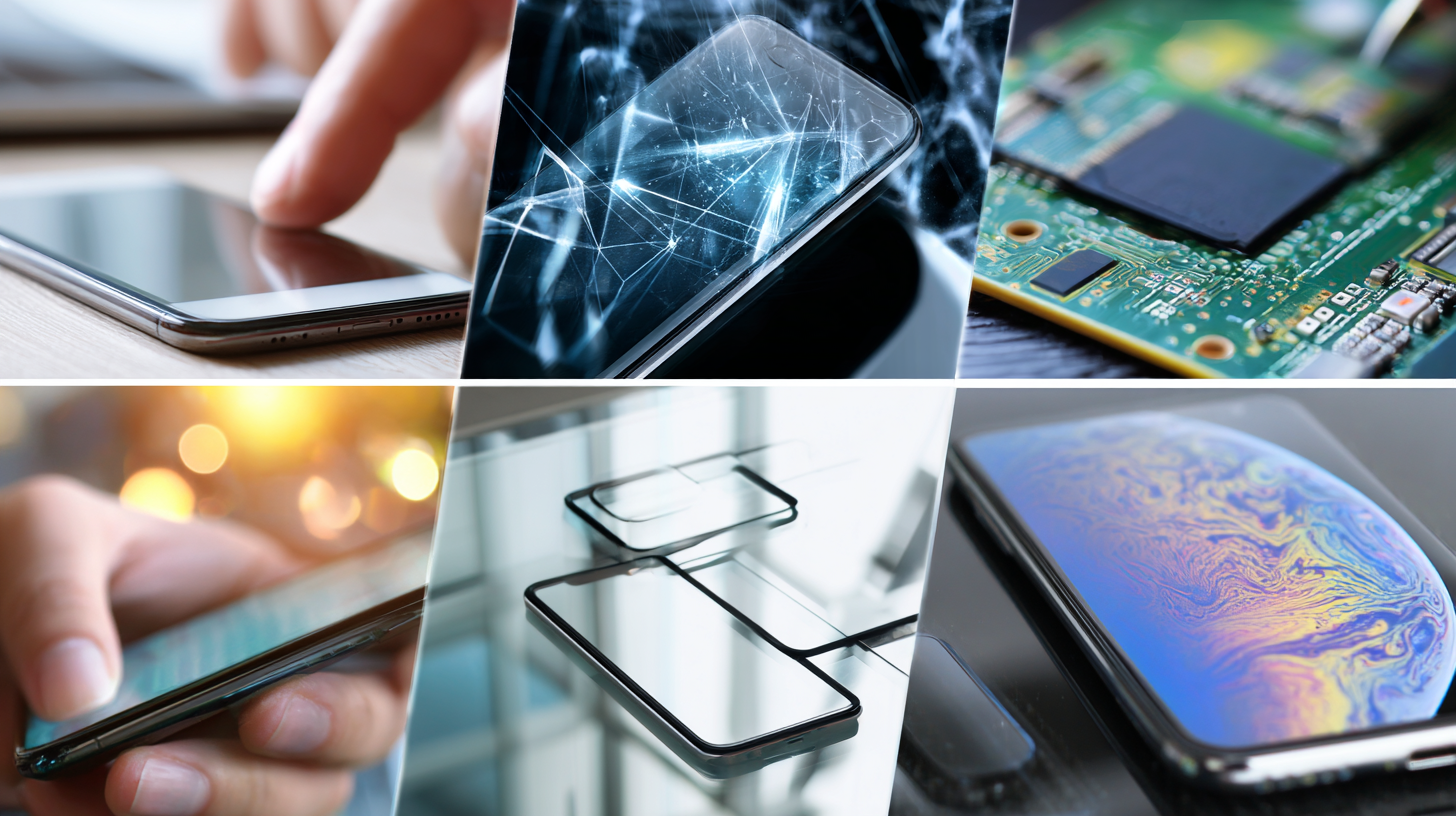
Advancements in Touch Sensitivity and Durability: What’s Next?
You know, the way touchscreen technology has come so far really has totally changed how we interact with our devices. It’s all about smarter touch sensitivity and making screens more durable—stuff that’s driven some pretty exciting innovations. I read somewhere that, according to MarketsandMarkets, the global touch screen market shot up from around $25.2 billion in 2020 to an estimated $38.4 billion by 2025—that's roughly an 8.8% annual growth rate. No surprise though, right? Everyone wants devices that feel more responsive and give us that tactile feedback that makes everything feel more natural and intuitive.

Recently, there’ve been some cool breakthroughs in material science too. For example, Corning’s Gorilla Glass keeps getting better—it's now thinner but packs twice the scratch resistance compared to older versions. In fact, in 2021, they reported a 20% boost in durability, so your phone’s less likely to get trashed from everyday mishaps. As manufacturers keep pushing the envelope, features like haptic feedback are becoming more common—they make the touch experience even more immersive and satisfying. Honestly, with all the ongoing research, the future of touch screens looks really promising. It’s like they’re constantly refining sensitivity and toughness to keep up with what us users want and need—from better responsiveness to more reliable screens that last through all our daily adventures.
Future Trends in Touch Screen Technology: Predictions for the Next Decade
The future of touch screen tech looks pretty exciting, honestly. Over the next ten years, we’re likely to see some pretty mind-blowing changes that will totally reshape the way we interact with our devices. As things head towards more immersive experiences, we can expect flexible, foldable screens to become totally mainstream — stuff that was once just science fiction, right? These new form factors will give us more options for smartphones, tablets, and wearables, making them more portable without sacrificing performance. Plus, with AI getting more integrated into touch screens, devices will become way smarter about understanding our habits and preferences, making everything feel more natural and intuitive.
A few tips on how to future-proof your touch devices:
-
Look for stuff that can be updated: When you're buying new gadgets, try to pick ones that get regular software updates — this way, they’ll stay useful even as tech rapidly advances.
-
Think about durability: Go for devices with tough glass or good screen protectors, especially since future screens might be super sensitive and flexible, which can mean more accidents.
-
Stay flexible: Keep an eye on newer features like gesture controls or voice commands — these can make your device more fun to use without even touching the screen.
As touchscreen tech keeps evolving, the best thing you can do is stay in the loop and be ready to adapt. That way, you’ll really get the most out of all the cool innovations that are just around the corner.
FAQS
: The growth is driven by increasing demand for smarter devices that require more responsive and tactile interfaces, enhancing the user experience.
The expected compound annual growth rate (CAGR) is 8.8%, with the market projected to grow from $25.2 billion in 2020 to $38.4 billion by 2025.
Corning's Gorilla Glass has become thinner while providing twice the scratch resistance compared to previous generations, with a reported 20% increase in durability in 2021.
Haptic feedback technology is expected to enhance the tactile experience, making interactions with touch screens more immersive.
Innovations like flexible and foldable screens will become mainstream, providing new form factors for devices while enhancing portability and functionality.
The integration of AI will lead to more intuitive user experiences by allowing devices to better understand user behaviors and preferences.
Look for extensibility in software updates, consider screen durability with tougher glass, and embrace adaptability by choosing products that support emerging technologies like gesture control and voice recognition.
Staying informed about evolving trends ensures users can fully leverage the upcoming innovations in touch screen devices, enhancing usability and interaction.
Conclusion
Hey, I recently read this really interesting article called "Exploring the Evolution of Touch Screen Glass: The Technology Behind the Interaction Revolution." It takes you on a fascinating journey, kind of how touch screen tech evolved from just an idea into what we use today. The article does a good job of highlighting some major innovations that shaped touch screen glass—like the differences between capacitive and resistive tech, which I found pretty insightful. It also talks about how these advancements have totally changed the way we interact with devices, making user experiences so much better. Plus, it dives into how touch sensitivity and durability have improved over time, and it even throws in some predictions about where this tech might be headed over the next decade or so.
On the flip side, there's this company, Dongguan Fuxin Glass Technology Co., Ltd., that's really been pushing boundaries in display glass. They've been around for over ten years, working on all sorts of glass types like AR, AF, and AM glass. Their work kind of lines up perfectly with how touch screen glass keeps evolving, and it looks like they’re going to be a big part of shaping the future of how we interact with our gadgets.