Choosing the right UV Transmitting Glass Factory is pretty important if you're aiming for success across different industries. According to Market Research Future, the global market for UV transmitting glass is expected to hit around $1.5 billion by 2025. That’s quite a big deal and definitely shows why picking a quality supplier matters.
When you're on the hunt for a UV Transmitting Glass Factory, think about things like their production capacity and the quality of their materials. It’s also a good idea to team up with manufacturers who care about innovation and sustainability — you know, those who are forward-thinking and responsible. But, beware — not all factories are equal, and some might not meet high standards. Doing your homework and digging into their background can save you a lot of headaches later.
And let’s not forget, good communication is key. If a factory is tight-lipped and hesitant to share info, that’s a red flag. You want someone who’s transparent and interested in making sure customers are happy. Keeping these things in mind will help you find the best UV Transmitting Glass Factory, making your projects run smoother and more successful.

Understanding UV Transmitting Glass and Its Applications
Uv Transmitting Glass is crucial in various industries. It allows ultraviolet light to pass through while blocking harmful rays. This type of glass finds applications in laboratories, photography, and even horticulture. For example, gardeners often use it to enhance plant growth.
When selecting a UV transmitting glass factory, consider their expertise. A factory with years of experience can produce reliable products. Look at their previous projects. This gives insights into their capabilities and product quality.
Quality control is another important factor. Ensure the factory has strict quality measures in place. Ask about their testing procedures. Flaws can lead to significant issues later. Lastly, customer service matters. A responsive team can make the buying process smoother. You want a partner, not just a supplier.
Identifying Key Features of a Quality UV Transmitting Glass Factory
Choosing a UV transmitting glass factory requires careful consideration of several key features. A focus on quality ensures that the glass meets industry standards. Look for factories with a proven track record in producing durable and effective glass. Ask for samples to assess clarity and visual quality. A factory’s experience can indicate reliability, but be wary of companies that offer very low prices without proper justification.
When evaluating a factory, consider their manufacturing processes. Advanced machinery often translates to better quality control. China Uv Transmitting Glass factories may vary significantly in technology and practices. It’s important to visit facilities if possible. This helps you observe their processes firsthand. Are they following safety standards? Is there a focus on cleanliness? These details can reflect the overall quality of their products.
Communication is another vital feature. A good factory should be responsive to inquiries and willing to discuss technical details. Lack of transparency can be a red flag. Ensure that they have a solid customer service approach. After all, choosing the right factory can significantly affect your project’s success. Take time to reflect on these aspects before making a decision.
Evaluating the Manufacturing Processes for UV Transmitting Glass
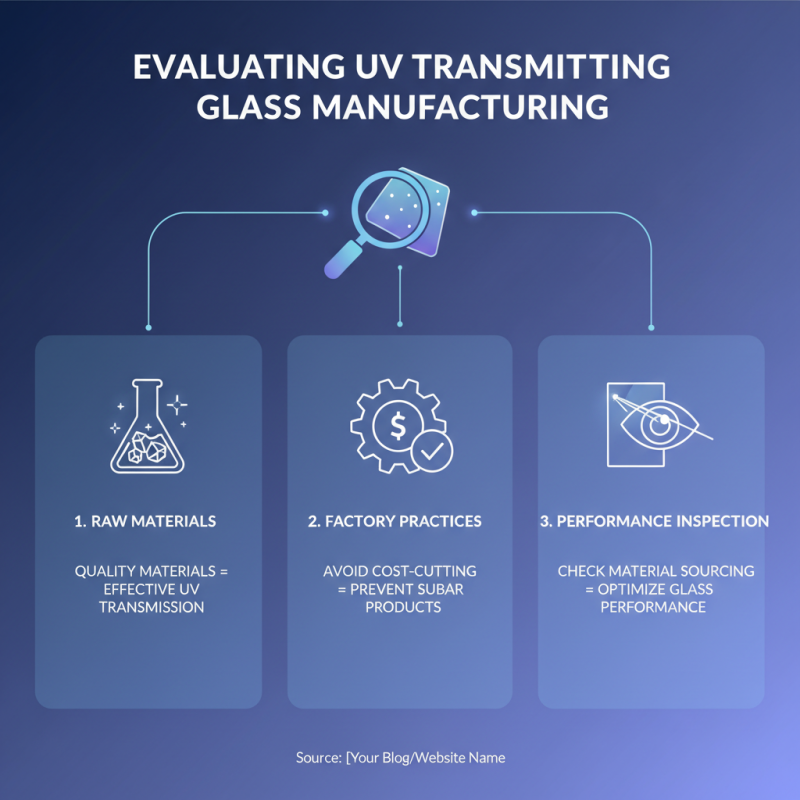
When evaluating manufacturing processes for UV transmitting glass, focus on the raw materials used. Quality materials are essential for effective UV transmission. Some factories may prioritize cost over quality, resulting in subpar products. A closer inspection can reveal inconsistencies in material sourcing, which might compromise the glass's performance.
Next, examine the production techniques employed. Different techniques influence the glass's clarity and durability. Some factories might rely on outdated methods that result in inconsistencies. Look for those that use advanced technologies, as they often produce more consistent results. Pay attention to the factory's quality control measures. A rigorous testing process ensures that every piece meets standards.
Finally, consider the factory’s sustainability practices. Responsible manufacturing is becoming increasingly important. Some factories may overlook environmental impacts, which could lead to ethical dilemmas. Identifying those that prioritize eco-friendly practices can be challenging but rewarding. A commitment to sustainability often aligns with better overall product quality.
Comparing Certifications and Standards in UV Glass Production
When selecting a UV transmitting glass factory, certifications and standards are crucial. Not all manufacturers meet the required benchmarks. Look for certifications like ISO 9001. This signifies quality management and consistent production. Also, check for UV protection standards. They ensure the glass protects against harmful rays.
The production process is another area to evaluate. A Transparent AF anti fingerprint coated glass factory should have clear protocols. This ensures that their products meet both quality and safety requirements. Factories may claim high standards, but not all back it up with consistent results. Assess their track record. Customer feedback can reveal a lot about their reliability.
Finally, consider environmental standards. A factory that prioritizes sustainability often reflects a commitment to quality. However, some factories may overlook these aspects in pursuit of lower costs. This may lead to untested materials and questionable practices. In your evaluation, ask for concrete examples of compliance. This will help ensure you make an informed decision.
Top 5 Tips for Choosing a UV Transmitting Glass Factory
This chart compares the importance of different factors to consider when selecting a UV transmitting glass factory, using a scale of 1 to 10 based on industry standards and best practices.
Assessing Customer Service and Support from Glass Manufacturers
When selecting a UV transmitting glass factory, customer service and support are crucial. A recent survey found that 70% of businesses prioritize quality customer support when choosing suppliers. Effective communication can prevent misunderstandings and ensure timely delivery. A factory's responsiveness can indicate how well they handle unexpected issues, like production delays or quality concerns.
Moreover, support during the ordering process is essential. Detailed product information helps customers make informed choices. A factory that provides clear guidance and promptly answers inquiries tends to foster stronger relationships. In fact, 65% of companies report that excellent customer service improved their overall satisfaction with suppliers.
It's also worth noting that not every glass factory excels in these areas. Some may lack clear communication channels or fail to provide timely updates. This can lead to frustration. So, while you evaluate capabilities, pay attention to how the
Fto Glass Factory
addresses your needs. Regular feedback mechanisms can be beneficial. Be proactive; ask questions. In the end, a solid support system may greatly impact your decision.
Researching Industry Reputation and Customer Reviews
When choosing a UV transmitting glass factory, researching industry reputation is vital. Look for online platforms where customers share their experiences. These reviews can provide insights into product quality and customer service. Pay attention to both positive and negative feedback. Some reviews may seem overly enthusiastic, while others could be too critical. Take this into account when forming your impression.
Consider the overall feedback from multiple sources. A consistent theme in reviews can reveal underlying issues or strengths. If a factory has frequent complaints about delayed shipments, that's a red flag. Short testimonials can sometimes provide quick snapshots of satisfaction or disappointment. However, delve deeper into the context behind these comments. Remember, satisfaction can vary widely among different customers. What works for one may not work for another. Ultimately, your goal is to find a factory that matches your specific needs and standards.
Considering Price vs. Quality in Your Selection Process
Choosing the right UV transmitting glass factory can feel overwhelming. Price and quality often clash in this decision-making process. It's essential to strike the right balance. On one side, lower prices can be tempting. However, inferior quality often comes with them. Compromising too much on quality could lead to future costs.
Investigate the materials used in production. High-quality glass may have a higher initial cost. Yet, it offers better durability and performance in the long run. Explore customer reviews and feedback. A factory's reputation is built over time, reflecting the experiences of past clients. Sometimes, you might find cheaper options that lack proper certifications.
Reflect on your specific needs. Are you prioritizing cost or longevity? Remember, a low price tag could mask weaknesses in the product. Seek transparency from factories regarding their production processes. Clear communication can help identify potential issues. By focusing on both price and quality, you can make a more informed decision.
Enhancing EV Charging Infrastructure: The Importance of Premium Charging Pile Cover Glass in the Evolving Electric Vehicle Market
In the rapidly evolving electric vehicle (EV) market, the enhancement of charging infrastructure is crucial to meet the increasing demand for efficient and safe charging solutions. A pivotal element in this infrastructure is the quality of the charging pile cover glass. Premium charging pile cover glass plays a significant role in ensuring durability and functionality, providing protection against various environmental factors while maintaining high visibility and performance.
The right glass panels, featuring high light transmittance and structural strength, enhance the user experience by allowing for easy monitoring of charging status. Advanced features such as chemical strengthening and impact resistance are essential for longevity, protecting charging stations from potential damages caused by external impacts. Furthermore, customizable options like anti-glare and anti-reflective treatments ensure optimal performance in diverse weather conditions, contributing to the reliability of EV charging stations.
As the demand for electric vehicles continues to rise, investing in high-quality charging pile cover glass becomes increasingly important for manufacturers and service providers. By prioritizing superior materials and innovative designs, the industry can significantly improve the overall efficiency of EV charging infrastructure, paving the way for a sustainable future in transportation.
FAQS
: UV transmitting glass allows ultraviolet light through and is used in laboratories, photography, and horticulture.
Strict quality measures prevent flaws that could lead to significant issues later on.
Look for responsive communication, clear guidance, and timely updates during the ordering process.
Read online reviews to gather insights on product quality and customer service.
No, some may lack clear communication or timely updates, leading to customer frustration.
A factory with years of experience likely produces more reliable products.
Ask detailed questions and ensure the factory provides comprehensive product information.
They may highlight persistent issues, such as delayed shipments or poor service.
No, consider both positive and negative feedback for a balanced view.
Yes, different customers may have unique experiences and expectations that affect satisfaction.
Conclusion
When choosing a UV transmitting glass factory, it is essential to understand the unique properties and applications of UV transmitting glass. Evaluating the key features of a factory, including their manufacturing processes and adherence to industry certifications and standards, is crucial in ensuring the quality of the glass produced. Additionally, assessing customer service and support can significantly impact the overall experience and satisfaction with the factory.
Further, researching the industry reputation and customer reviews helps in making an informed decision about which UV transmitting glass factory to select. Finally, striking a balance between price and quality is critical; ensuring you receive a valued product without compromising on essential standards. By following these tips, you can make a well-informed choice that meets your specific needs in UV transmitting glass applications.