In manufacturing, cutting costs is pretty much everything. I mean, experts like Dr. Emily Chen, who’s a top consultant over at Heatable Glass Factory, always stress how crucial strategic sourcing is. She once said, something like, "Getting to know your local markets can really help knock down those production costs." Honestly, that really hits home, especially for folks working on a global scale.
Now, Heatable Glass Factory finds itself operating in a pretty complicated global environment. Prices for materials swing up and down, and regulations are always changing. To keep up, you really need to understand how the market moves. For example, working with local suppliers can save a good chunk of money and make your supply chain way more reliable.
A lot of buyers tend to overlook the power of negotiating, which is a shame because it can really open up opportunities for saving. Building solid relationships with your suppliers is a game changer. When you understand what they’re capable of, you can make smarter decisions that benefit everyone involved. And yeah, saving money is important, but never forget — quality has to stay high. Balance is key, after all.

Understanding Heatable Glass and Its Applications in Various Industries
Heatable glass is revolutionizing various industries with its unique properties. This type of glass can efficiently manage temperature, making it ideal for applications ranging from architectural design to automotive manufacturing. In smart buildings, it helps regulate indoor climates, enhancing energy efficiency. The technology enables the glass to be transparent at lower temperatures while providing warmth when needed.
China Heatable Glass has made significant strides in enhancing this technology. Manufacturers are focusing on cost-effective solutions that do not compromise quality. Buyers should be aware of the importance of sourcing from reliable suppliers. It’s essential to assess the production methods and materials used in the glass. Understanding these factors can help in making informed decisions.
However, potential buyers must reflect on their specific needs. The market is flooded with options, and not all solutions are perfect. Cost savings shouldn't be the only concern; quality and performance are vital. Purchasing subpar products could lead to high maintenance costs and unmet expectations in application. Balancing cost and quality is a challenge, yet necessary for long-term success.
Heatable Glass Factory Tips for Global Buyers to Save Costs
| Dimension |
Value |
Industry Applications |
| Thickness (mm) |
2 - 12 |
Construction, Automotive |
| Temperature Resistance (°C) |
-20 to 150 |
Household Appliances, Solar Panels |
| Average Lifespan (years) |
10 - 20 |
Electronics, Lighting |
| Cost per sq meter ($) |
50 - 150 |
Architecture, Automotive |
| Weight (kg/sq m) |
5 - 15 |
Furniture, Transportation |
The Importance of Cost Analysis When Sourcing Heatable Glass Products
Cost analysis is crucial for buyers looking for heatable glass products. It goes beyond merely comparing prices. Understanding the full cost structure can reveal hidden expenses. For example, shipping costs, import duties, and storage fees can significantly impact the overall budget. A comprehensive analysis allows buyers to identify potential savings without compromising quality.
Buyers must consider fluctuating material prices and labor costs in different regions. A factory's production methods can also affect costs. For instance, manual production may initially seem cheaper but could lead to higher defect rates and additional quality control costs. Engaging with suppliers through direct communication can clarify these factors, helping to negotiate better terms.
Additionally, inaccuracies in cost estimations can lead to budget overruns. Regularly reviewing supplier quotes and market trends is essential. Data-driven insights can guide strategic sourcing decisions. Establishing benchmarks and comparing various suppliers in detail ensures a more informed purchasing decision. This approach fosters long-term relationships with reliable suppliers, ultimately leading to greater efficiency.
Heatable Glass Product Cost Analysis
This bar chart illustrates the average costs of various heatable glass products. Analyzing these costs is crucial for global buyers looking to optimize their sourcing strategy and save on expenses.
Key Factors to Consider When Choosing a Heatable Glass Factory
When selecting a heatable glass factory, buyers should consider several critical factors. One key aspect is production capacity. A facility that handles a higher volume can often better meet client demands during peak times. According to recent industry reports, factories with a capacity exceeding 2,000 square meters per day can significantly reduce order fulfillment time. However, it's essential to assess whether such capacity aligns with your specific needs to avoid overcapacity costs.
Quality control systems represent another vital consideration. Reputable factories implement rigorous quality assurance measures to ensure compliance with international standards. This includes regular inspections and adherence to ISO certifications. Reports indicate that 85% of production issues arise from inadequate quality control practices. Engaging with a factory that prioritizes these protocols can guarantee consistent product performance, which ultimately saves costs on returns or defects.
Additionally, communication and flexibility are paramount. A factory that quickly responds to inquiries and adjusts to changing requirements can save time and resources. A recent survey showed that 63% of buyers prioritized factories that maintain open lines of communication. While price is always a factor, remember that the cheapest option may not provide the best value over time. Evaluating these facets will help ensure a productive partnership.
Effective Negotiation Strategies with Glass Suppliers
Negotiating with glass suppliers requires finesse and preparation. Understanding market trends and the specific needs of the glass you require is essential. By researching suppliers, you can arm yourself with data to support your proposals. Knowing the average price ranges for "Transparent AF anti fingerprint coated glass" helps you establish a baseline for negotiations.
Building relationships with suppliers can also lead to better deals. Trust and communication often result in favorable terms. A clear discussion about timelines and commitments can prevent misunderstandings. Sometimes, suppliers may offer discounts for larger orders—so consider increasing your initial order quantity.
One common pitfall in negotiations is being overly rigid. Flexibility can help you find mutually beneficial solutions. If a supplier cannot meet your price, explore other ways they could add value, such as improved delivery times or enhanced product features. Not all suppliers will align perfectly with your budget—be ready to walk away if terms aren’t favorable. This mindset not only demonstrates confidence but can also motivate suppliers to reconsider their offers.
Quality Control Measures for Heatable Glass Production
Quality control is crucial in heatable glass production. It ensures that products meet safety standards and customer expectations. Without effective measures, defects can lead to significant financial losses. Buyers must understand the inspection processes that factories should adhere to.
To save costs, consider these tips. Regular audits of the supply chain help maintain quality. This includes assessing raw materials and production methods. A
Fto Glass Factory
should implement stringent testing protocols. This guarantees that the final product is reliable. Transparency in the production process also builds trust.
Another aspect is the importance of staff training. Well-trained employees are less likely to make costly mistakes. Investing time in enhancing skills can yield long-term savings. Each step in the production line must be monitored carefully. Mistakes, however small, can accumulate and lead to larger issues. Always encourage feedback within teams to improve practices continuously.
Assessing Shipping and Logistics Options to Reduce Costs
Shipping and logistics are critical components in the glass manufacturing industry. When sourcing glass products, global buyers must carefully examine these aspects to minimize costs effectively. According to the International Association of Glass Industry, logistics can account for up to 30% of total production costs. Therefore, efficient transportation routes and shipping strategies can significantly enhance profit margins for buyers.
Choosing the right shipping methods can also deliver substantial savings. Air freight might be faster but can be up to five times more expensive than sea freight. For non-time-sensitive shipments, sea freight remains the more economical option. Additionally, utilizing consolidated shipping can reduce costs associated with bulk transport. Ito Glass Factory, for instance, employs advanced logistics planning to optimize shipping. This careful approach can lead to better pricing for customers.
It's important to consider regulations affecting shipping as well. Compliance with local import-export laws can mitigate delays and additional fees. Failure to adhere to these can result in costly setbacks. Additionally, factors such as seasonal demand fluctuations can impact shipping rates. Buyers should constantly evaluate their logistics strategies and adapt to changing market conditions. This ongoing assessment can help ensure that costs are kept in check while maintaining the quality of the products received.
Exploring Technological Innovations in Heatable Glass Manufacturing
The arena of heatable glass manufacturing is evolving rapidly. Technological innovations are driving efficiency and reducing costs for global buyers. For example, advanced heating technologies are being developed to improve energy efficiency in production. These innovations focus on precise temperature control, ensuring superior glass quality while minimizing waste.
For buyers looking to cut costs, consider evaluating suppliers based on their technological capabilities. It's important to inquire about their production methods and energy use. Tips to save costs include negotiating bulk purchasing agreements and assessing transport logistics. Streamlining these factors can significantly lower overall expenses.
Another standout advancement is the integration of automation in the manufacturing process. Machines equipped with AI can predict maintenance needs, reducing downtime. This not only enhances production efficiency but also bolsters product consistency. Emphasis on sustainability in these innovations is also noteworthy, as it draws global attention and aligns with eco-friendly practices.
Innovative Uses and Benefits of Irregular Round Ultra Clear Tempered Glass in LED Lighting Applications
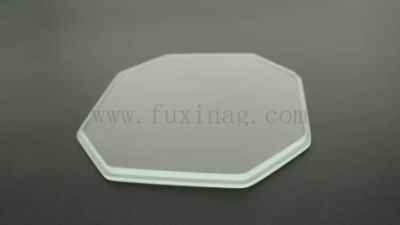
The innovative use of Irregular Round Ultra Clear Tempered Glass in LED lighting applications is a game changer for contemporary interior design. With its exceptional clarity and eye-catching design, this glass cover not only enhances the aesthetic appeal of lighting fixtures but also significantly boosts light output. According to industry reports, utilizing high-transparency materials can increase LED effectiveness by up to 15%, allowing for brighter and more efficient lighting solutions in both residential and commercial settings.
The tempered glass construction not only ensures durability and safety but also offers a sleek, modern look that aligns perfectly with minimalist design trends. Available in thicknesses ranging from 3mm to 8mm, the Irregular Round Ultra Clear Glass Cover is adaptable to various fixture designs. This versatility makes it an ideal option for architects and designers who strive to create ambient lighting that is both attractive and functional. As energy-efficient lighting becomes increasingly important, the application of such high-quality glass will likely be at the forefront of sustainable design practices.
Additionally, the tiered edge design of these glass covers introduces a new dimension to lighting fixtures, capturing and reflecting light in captivating ways. This innovative approach not only heightens the visual impact of the illumination but can also transform ordinary spaces into extraordinary environments. Industry data supports the growing trend of incorporating such dynamic materials into lighting designs as part of the movement toward more environmentally friendly and visually compelling solutions in modern architecture.
FAQS
: Cost analysis goes beyond price comparison. It highlights hidden expenses like shipping and duties.
Buyers must factor in material prices, labor costs, and a factory's production methods.
Manual production might look cheaper initially but may lead to higher defect rates and quality control costs.
Direct communication helps clarify cost factors and can lead to better negotiation outcomes.
Inaccurate estimations can result in budget overruns, affecting the overall financial plan.
Logistics can make up to 30% of total production costs. Efficient strategies can enhance profit margins.
Sea freight is cheaper than air freight and should be used for non-time-sensitive shipments.
Adhering to regulations can prevent costly delays and additional fees, ensuring timely deliveries.
Seasonal demand fluctuations can lead to increased shipping rates, requiring constant strategy evaluation.
Consolidated shipping can lower bulk transport costs, providing additional savings for buyers.
Conclusion
In the pursuit of cost-effective sourcing, global buyers must understand the nuances of working with a Heatable Glass Factory. This type of glass finds applications across various industries, from automotive to interior design, making cost analysis crucial. Buyers should assess key factors when selecting a factory, including production capabilities, technology, and quality assurance measures.
Effective negotiation strategies with suppliers can also lead to significant cost savings. It is essential to implement stringent quality control measures during production to ensure that the end product meets industry standards. Additionally, evaluating shipping and logistics options can further reduce expenses. Embracing technological innovations in the manufacturing process will not only enhance efficiency but also contribute to cost reduction, making it imperative for buyers to stay informed on advancements in the field of heatable glass.